

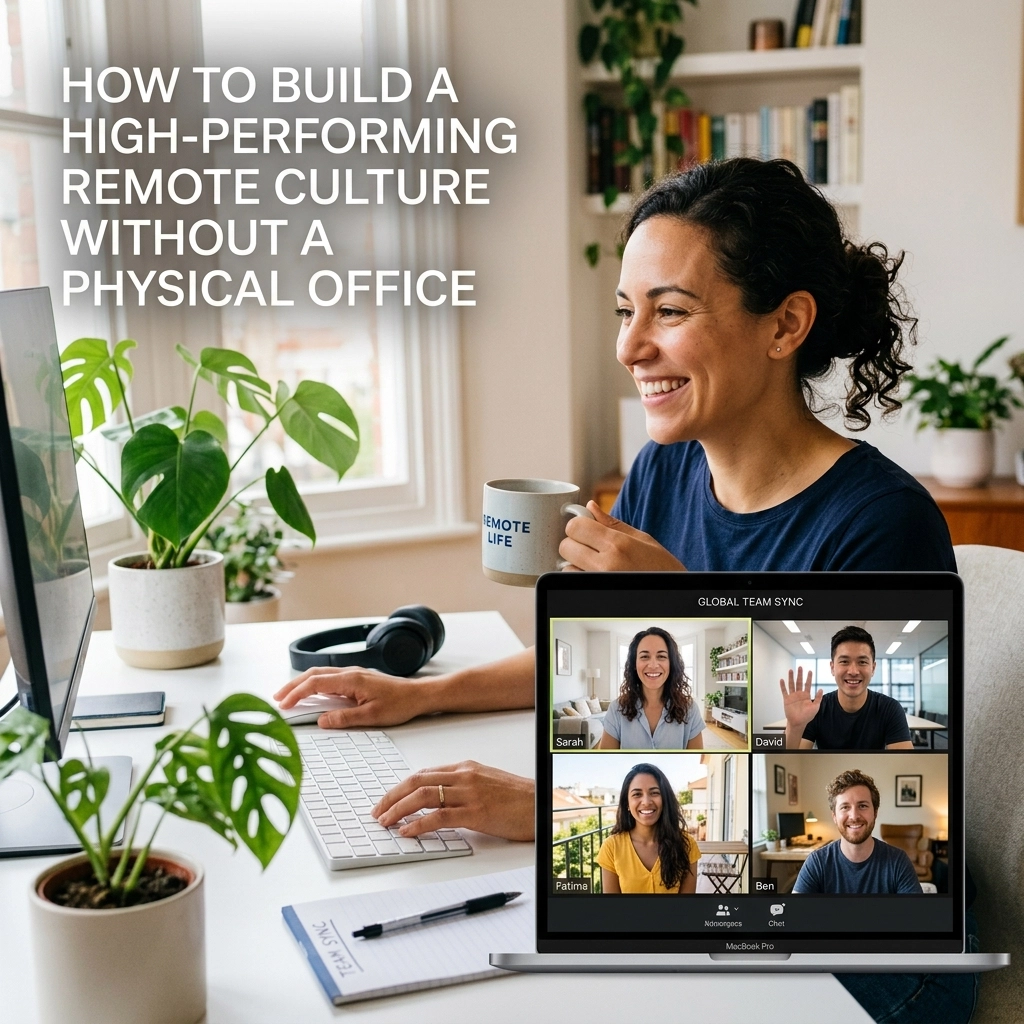
Let’s be honest: building a high-performing remote culture is a bit like trying to assemble IKEA furniture in the dark. It’s messy, a little frustrating, and there’s a high chance you’ll end up with a few "extra" pieces that don’t seem to fit anywhere.
For years, we relied on the physical office to do the heavy lifting of culture. We had the watercooler chats, the accidental "hallway brainstorms," and the shared misery of a broken coffee machine. These things created a natural glue. But now? That glue has dried up, and leaders are left wondering how to keep hybrid teams from feeling like a collection of isolated islands.
The good news? You don’t need four walls and a lease to build a world-class team. You just need to be more intentional. Whether you're a CEO like our very own James Coughlan or a manager leading a squad of developers across three continents, building culture in 2026 is about connection, not proximity.
The Death of the "Check-In" (And the Rise of Real Trust)
In the old days, "managing" often looked like walking around the office to see who was at their desk. In a remote world, that translates to the "Green Dot Fever", obsessively checking Slack to see if everyone is "Active."
Stop. Just… stop.
Building a high-performing culture starts with trust. If you’re micromanaging, you’re not building culture; you’re building resentment. High-performing teams thrive when they have autonomy. Instead of asking "Why aren't you online?", try asking your direct reports: "How can we best work together in this environment?" and "What kind of support do you need from me today?"
Focus on outcomes, not hours. When you shift the metric from "time spent" to "value created," you give your team the breathing room to do their best work. And surprisingly? They usually smash it out of the park.
Establishing the "New Rules" of Engagement
Culture isn’t just a vibe, it’s a set of protocols. Without a physical office to dictate how we communicate, you need to create a "user manual" for your team. This removes the guesswork and the "am I annoying them?" anxiety that plagues remote workers.
Think about setting clear standards for:
- Channels: Use Slack for quick pings, email for formal updates, and video calls for complex problem-solving.
- Response Times: Is a two-hour delay okay? (Spoiler: Usually, yes).
- Cameras On/Off: Sometimes, we just haven't brushed our hair, and that’s okay. But for deep collaborative sessions? Cameras on helps bridge that virtual distance.
By putting process around your communication, you create a safe space where everyone knows the "how" of work, leaving more energy for the "what."

A diverse, high-performing team meeting in a vibrant hotel lobby, bridging the gap between remote work and physical connection.
The Power of the "Third Space"
Here’s the secret sauce: just because you don’t have a permanent office doesn't mean you should never meet. In fact, flexible meetups are the heartbeat of modern remote culture.
At Reef, we’re big believers in the "Third Space." This isn't your home office (where the laundry is staring at you) and it isn't a stiff corporate boardroom. It’s a buzzy café, a chilled hotel lobby, or a design-led coworking space.
For hybrid teams, meeting up once a month or even once a quarter in a neutral, inspiring location can do more for team cohesion than 100 Zoom happy hours. It’s where the "real" talk happens. It’s where you grab a coffee: on the house if you’re using Reef venues: and actually get to know the human behind the avatar.

Traditions That Don’t Suck
We’ve all been there: the forced fun of a "Virtual Pizza Party" where everyone sits awkwardly in front of a webcam eating lukewarm pepperoni. Let’s move past that, shall we?
High-performing cultures are built on traditions that feel authentic. Here are a few ideas that actually work:
- The "Culture Committee": Get a group of eager volunteers from different departments to spearhead initiatives. This ensures culture is bottom-up, not top-down.
- Ask Me Anything (AMA) Sessions: Transparency is a massive trust-builder. Let your team grill the leadership (nicely, of course) once a month.
- The "Learning Jam": Once a week, someone shares a 10-minute presentation on something they’re passionate about: whether it’s AI prompts or how to bake the perfect sourdough.
These small rituals create "company lore." They give people something to look forward to that isn't just another status update.
Mentorship in a Distributed World
One of the biggest risks of remote work is that junior staff can feel like they’re shouting into a void. Without being able to "shadow" a senior lead in a meeting, how do they learn the ropes?
You have to be intentional about mentorship. Set up a formal program where mentors and mentees have a safe space to discuss both professional growth and personal hurdles. This builds a culture of learning and shows your team that you’re invested in their long-term career, not just their current ticket queue.

Asynchronous is Your Superpower
If you’re trying to run a remote team like a traditional one, you’re going to burn everyone out. The "always-on" culture is the enemy of high performance.
Embrace asynchronous work. Record your meetings for those in different time zones. Use documentation (like a shared Notion or Google Doc) instead of a flurry of "quick sync" calls. When you respect your team’s time and their local holidays, you’re telling them: "I value your life outside of work." That kind of respect is the foundation of a culture people actually want to stay in.
Logistics: Making the Work "Work"
Finally, culture is influenced by the tools we use. If your team is struggling with 5Mbps home WiFi or feeling cramped in a studio apartment, their performance: and their mood: will tank.
This is where providing flexibility as a benefit comes in. By giving your team access to workspaces for teams, you’re giving them the choice of where they work best. Maybe Tuesday is for deep focus at home, but Thursday is for "smashing out" a project with a colleague at a local Holiday Inn or a boutique hotel lobby.

The Bottom Line
Building a high-performing remote culture isn't about the perks: though free coffee and nice sofas certainly help. It’s about making every member of your team feel seen, heard, and trusted, regardless of where they are on a map.
It’s about moving from "surviving" remote work to "thriving" in it. It’s about realizing that the "office" isn't a building: it’s a mindset.
So, are you ready to ditch the beige walls and start building a culture that actually works? Your team is waiting.
📍 Looking to bring your team together? Explore how Reef helps hybrid teams find the perfect space to connect and collaborate. Whether you need a spot for a 1:1 or a base for the whole squad, we've got you covered. Check out our blog archive for more tips on winning at remote life.